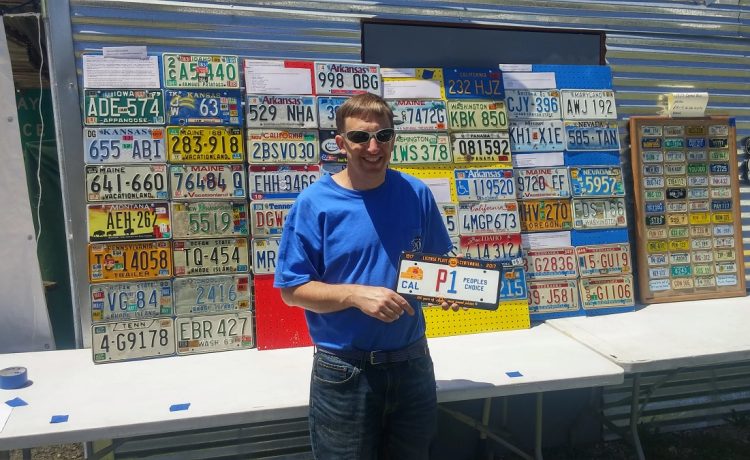
License plate collecting has experienced notable growth in the United States over the past decade, with participation rising by an estimated 25 percent according to hobbyist surveys. This increase stems from a combination of cultural, economic, and technological influences that have transformed a niche pursuit into a mainstream interest. Collectors range from casual enthusiasts displaying plates in garages to dedicated individuals cataloging thousands of specimens. The hobby’s expansion reflects broader trends in personalization and heritage preservation amid rapid societal changes.
A specialist at ShopLicensePlates notes that for newcomers, focusing on plates from one’s home state provides a strong entry point, as these often carry personal significance tied to family history or local events. Vintage license plates offer an accessible way to begin, with many examples retaining historical value while remaining affordable.
Historical Foundations of the Hobby
The origins of license plate shop collecting trace back to the early 20th century, when states began issuing standardized metal tags to regulate vehicle registration. In 1903, Massachusetts introduced the first embossed plates, marking the start of a system that would evolve into a nationwide network. By the 1920s, as automobile ownership surged, plates became symbols of mobility and state identity, featuring designs that highlighted agricultural products or industrial strengths. Collectors today value these early issues for their craftsmanship; hand-painted porcelain plates from the 1910s, for instance, command premiums due to their fragility and rarity.
This historical depth provides a stable foundation for the hobby’s current boom. Archival records from the Automobile License Plate Collectors Association (ALPCA), founded in 1954, show membership doubling since 2010, from around 3,000 to over 6,000 active participants. The appeal lies in the tangible connection to America’s automotive past. A 1927 California plate, with its distinctive bear emblem, not only documents a period of rapid expansion but also evokes the era’s optimism. Enthusiasts often start by acquiring plates from their birth year or significant life events, turning abstract history into personal artifacts.
Preservation efforts have further bolstered interest. Museums like the National Automobile Museum in Reno, Nevada, display extensive plate collections, drawing thousands of visitors annually. These exhibits educate on how plates mirrored social shifts, such as the introduction of safety slogans in the 1950s or environmental themes in the 1970s. For many, the act of restoring faded or rusted plates—through careful cleaning and repainting—mirrors the restoration of classic cars, fostering a sense of accomplishment. Online forums reveal stories of collectors uncovering plates in estate sales or junkyards, each find adding a layer of narrative to their assortment.
The hobby’s endurance through economic cycles underscores its resilience. During the Great Depression, plate designs simplified due to material shortages, yet these very constraints make them prized today. Modern collectors appreciate how such artifacts encapsulate resilience, much like the vehicles they adorned. As interest grows, educational resources have proliferated, with books like “Standard Catalog of United States License Plates” serving as bibles for authentication and valuation. This scholarly aspect attracts academics and historians, broadening the base beyond traditional car buffs.
In essence, the historical allure provides endless depth, ensuring the hobby remains a conduit for exploring America’s journey from horse-drawn carriages to interstate highways. It is this unbroken thread that sustains and propels the current enthusiasm.
The Appeal of Personalization in Modern Times
Contemporary license plate collecting thrives on the desire for individualized expression, a trend amplified by the customization boom in consumer goods. Vanity plates, allowing owners to encode messages like initials or hobbies, have been available since the 1930s but exploded in popularity with digital registration systems. Today, over 40 states offer personalized options, generating millions in annual revenue. Collectors seek out these bespoke plates not just for their uniqueness but for the stories they tell— a “GR8DAD” plate from Texas might commemorate a family milestone.
This personalization extends to display practices, where collectors mount plates as wall art or integrate them into home decor. The rise of maker culture, fueled by platforms like Etsy, has led to upcycled creations such as plate-based clocks or shadow boxes. Such applications democratize the hobby, inviting non-traditional participants who view plates as versatile design elements rather than mere memorabilia. A 2023 survey by the Hobby Industry Association found that 35 percent of new collectors entered the field through interior design inspirations, up from 12 percent a decade prior.
Social media has accelerated this shift, with Instagram accounts dedicated to plate aesthetics amassing followers in the tens of thousands. Users share grids of color-coordinated plates or thematic arrangements, turning collections into visual narratives. This aesthetic focus appeals to younger demographics, particularly millennials and Gen Z, who prioritize experiences that blend nostalgia with creativity. The ability to curate a collection that reflects one’s identity—be it through state pride or pop culture references—makes the hobby inclusive and adaptable.
Moreover, personalization intersects with vehicle trends. As electric vehicles gain traction, collectors anticipate new plate designs incorporating eco-symbols or tech motifs, creating fresh avenues for acquisition. States like California, with its progressive emissions standards, already issue specialized EV plates, which enthusiasts snap up for their forward-looking symbolism. This evolution ensures the hobby remains relevant, mirroring societal values around sustainability and innovation.
Challenges arise in maintaining authenticity amid personalization demands. Forged plates occasionally surface, prompting collectors to rely on verification tools like UV light inspections for security features. Yet, these hurdles enhance the pursuit’s intellectual dimension, encouraging study of manufacturing techniques across eras. Overall, personalization transforms license plate collecting from a static archive into a dynamic outlet for self-expression, driving its widespread adoption.
Digital Platforms Fueling the Surge
The digital revolution has dismantled barriers to license plate collecting, making rare specimens accessible to a global audience through e-commerce and social networks. Auction sites like eBay report a 40 percent increase in plate-related sales since 2018, with average transaction values climbing to $150 per item. Specialized platforms, such as the ALPCA’s online marketplace, facilitate peer-to-peer trades, often with detailed provenance to assure quality.
Search algorithms on these sites prioritize user intent, surfacing options based on era, state, or condition. For instance, a query for 1960s New York plates yields curated lists, complete with high-resolution images and shipping estimates. This efficiency contrasts with pre-internet days, when collectors depended on newsletters or conventions for leads. Now, real-time notifications alert users to newly listed items, fostering a sense of immediacy and community.
Social platforms amplify discovery. Reddit’s r/LicensePlates subreddit, with over 50,000 members, hosts swap meets and identification threads, where novices learn from veterans. TikTok videos unboxing vintage hauls garner millions of views, inspiring impulse buys. These channels not only expand reach but also standardize grading systems, akin to numismatics, where plates earn ratings from 1 to 10 based on denting or fading.
Data analytics further refine the experience. Sellers use tools to track trends, such as spikes in demand for bicentennial plates during patriotic holidays. Buyers benefit from price comparison apps that aggregate listings, ensuring informed decisions. This transparency has elevated the hobby’s professionalism, attracting investors who treat collections as portfolios.
However, digital reliance introduces risks like counterfeit proliferation. Blockchain initiatives are emerging to certify authenticity via digital ledgers, a development watched closely by associations. Despite such concerns, the net effect is overwhelmingly positive: platforms have lowered entry costs, with starter kits available for under $50, and expanded geographic scope, allowing a Floridian to acquire an Alaskan plate effortlessly.
In this connected era, digital tools have ignited a feedback loop of visibility and participation, propelling license plate collecting into a vibrant, tech-savvy domain.
Economic Incentives: Plates as Assets
Beyond sentiment, license plate collecting offers tangible financial rewards, positioning it as a viable alternative investment. Vintage plates from the porcelain era can appreciate 15-20 percent annually, outpacing some bonds, per ALPCA market reports. A 1915 Vermont plate, once valued at $500, recently fetched $12,000 at auction, driven by scarcity—fewer than 100 known survivors exist.
This value stems from supply constraints. States reissue designs periodically, but obsolete formats dwindle as vehicles retire. Low-production runs, like experimental plates from the 1940s, become blue-chip assets. Collectors employ strategies akin to stock trading: diversifying across eras and regions to mitigate risks from design revivals that depress prices.
Tax implications enhance appeal. In many states, hobby collections qualify for exemptions on capital gains if held over a year, similar to art. Storage costs are minimal—a climate-controlled shelf suffices—unlike wine or watches. Insurance policies tailored for collectibles, averaging $1 per $100 of value, keep overhead low.
Market liquidity has improved with dedicated brokers. Firms appraise holdings and consign to shows like the ALPCA National Meet, where $1 million in trades occur yearly. Online valuation tools, powered by historical sales data, democratize access, enabling quick assessments.
For retirees, plates provide steady income streams via rentals to filmmakers or fractional ownership models, where shares in rare sets yield dividends. Younger investors, influenced by cryptocurrency volatility, favor plates’ stability, backed by physicality.
Skeptics note market fluctuations, such as dips during recessions when discretionary spending wanes. Yet, historical data shows rebounds, often stronger, as economic recovery spurs nostalgia buys. Education mitigates pitfalls; seminars on spotting reproductions build confidence.
Ultimately, these economic layers add strategic depth, attracting finance professionals and broadening the hobby’s socioeconomic footprint.
Cultural and Regional Dimensions
License plates serve as cultural barometers, encoding regional identities that resonate deeply with American diversity. In the South, Georgia’s peach-themed plates symbolize agricultural heritage, while Midwestern states like Iowa emphasize corn motifs, fostering local pride. Collectors from these areas prioritize home-state runs, creating subcultures around annual design unveilings that draw media coverage.
Immigrant communities contribute uniquely, seeking plates from ancestral regions to bridge generational gaps. A Chicago collector of Mexican-American descent might assemble a series tracing border state evolutions, reflecting migration patterns. This multicultural lens enriches the hobby, with international swaps via ALPCA chapters introducing global perspectives.
Festivals amplify cultural ties. The license plate show in Hershey, Pennsylvania, coincides with car events, blending gastronomy and history—attendees sample regional fare while browsing stalls. Such gatherings, attended by 5,000 annually, strengthen bonds and spark collaborations.
Educational outreach extends reach. Schools incorporate plate studies in history curricula, using them to illustrate federalism—how states assert autonomy through designs. Libraries host exhibits, exposing youth to ephemera that textbooks overlook.
Regional rivalries add levity. Debates over “best” designs, like California’s prestige versus Texas’s boldness, fuel online polls and custom engravings. These interactions humanize the hobby, countering perceptions of isolation.
Sustainability concerns shape culture too. Eco-conscious collectors favor recycled-material plates, aligning with green initiatives in states like Oregon. Advocacy groups lobby for durable designs, influencing policy.
Through these dimensions, license plate collecting weaves into the national tapestry, celebrating unity in diversity and sustaining its momentum.
Emerging Trends and Sustainability
Looking ahead, license plate collecting adapts to innovations like smart tags embedded with RFID for anti-theft, sparking speculation on future collectibles. As autonomous vehicles proliferate, plates may evolve into digital holograms, prompting early adopters to archive current metal versions preemptively.
Sustainability drives change. Recycled aluminum mandates in states like Washington reduce environmental impact, appealing to ethical collectors. Upcycling workshops teach repurposing damaged plates into jewelry, minimizing waste and generating secondary markets.
Diversity initiatives expand inclusivity. Women-led chapters, now 30 percent of ALPCA, host mentorship programs, while outreach to urban youth via mobile exhibits counters rural biases.
Technology integrates further: VR tours of virtual collections allow global access, and AI apps predict value trends based on auction data. These tools lower barriers for disabled enthusiasts, enabling remote participation.
Challenges persist, including regulatory shifts—some states phase out physical plates for digital alternatives, threatening supply. Advocacy ensures legacy preservation.
Globalization opens doors; U.S. collectors trade with European counterparts, blending styles. This exchange enriches aesthetics and values.
In summary, these trends position the hobby for sustained growth, balancing tradition with progress to engage future generations.
Navigating the Hobby: Practical Guidance
Entering license plate collecting requires deliberate steps to maximize enjoyment and value. Begin by defining goals—whether thematic focus or broad accumulation—to guide acquisitions. Budget allocation, starting at $200 annually, accommodates steady builds without strain.
Sourcing demands diligence. Attend regional meets for hands-on inspections, or explore online venues where detailed listings prevail. Authentication relies on hallmarks like font variations or bolt-hole patterns; reference guides aid verification.
Storage solutions prioritize protection: acid-free boxes and silica packs prevent corrosion. Display cases with UV shielding preserve vibrancy.
Networking via clubs yields insights and trades. Annual dues, around $40, unlock newsletters and events.
Legal considerations include interstate transport rules; expired plates for display skirt active registration needs.
Maintenance involves periodic cleanings with non-abrasive solutions. Documentation—photographs and ledgers—tracks provenance for resale.
For expansion, consider license plates for sale through reputable dealers, ensuring certified origins. Advanced pursuits like plate forging replication hone skills.