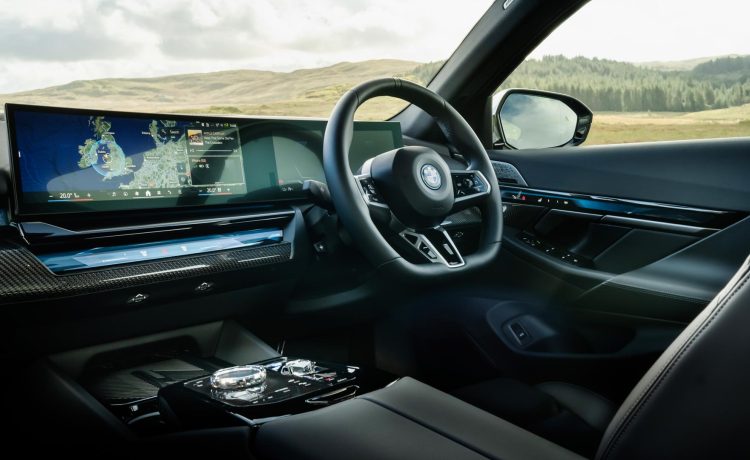
The automotive industry is experiencing a profound transformation driven by rapid technological innovation. What was once centered on mechanical engineering now blends software, connectivity, and sustainability into every aspect of vehicle design. These changes are redefining how cars are built, how they perform, and how people interact with them on a daily basis.
From electrification to intelligent systems, innovation is no longer optional—it is the foundation of the modern auto industry.
Electrification Is Reshaping Mobility
One of the most visible shifts in the auto sector is the move toward electric vehicles (EVs). Automakers across the globe are investing heavily in electric platforms to meet environmental goals and changing consumer expectations.
Key drivers behind electrification include:
-
Stricter emissions regulations
-
Rising fuel costs
-
Advances in battery technology
-
Demand for cleaner transportation
Today’s electric cars offer longer ranges, faster charging times, and smoother performance, making them practical for everyday use rather than just early adopters.
Hybrid Technology as a Transitional Solution
While full electrification gains momentum, hybrid and plug-in hybrid vehicles continue to play a crucial role. These vehicles combine electric motors with internal combustion engines to improve efficiency without complete reliance on charging infrastructure.
Advantages of hybrid systems include:
-
Reduced fuel consumption in city driving
-
Lower emissions compared to traditional vehicles
-
Greater driving flexibility for long distances
Hybrids act as a bridge, helping consumers transition gradually toward fully electric mobility.
Smart Vehicles and Connected Technology
Modern vehicles are becoming increasingly intelligent through connected car technology. Cars now function as digital ecosystems, integrating hardware with cloud-based software.
Common connected features include:
-
Real-time navigation and traffic updates
-
Smartphone integration and wireless connectivity
-
Remote diagnostics and vehicle tracking
-
Over-the-air software updates
This level of connectivity allows vehicles to improve over time, enhancing safety, performance, and convenience long after purchase.
Advanced Driver Assistance and Automation
Automation is another key area of innovation. While fully self-driving cars are still under development, advanced driver-assistance systems (ADAS) are already transforming road safety.
These systems typically include:
-
Adaptive cruise control
-
Lane departure warnings
-
Automatic emergency braking
-
Parking assistance
By reducing human error, these technologies are helping to lower accident rates and improve overall driving confidence.
Digital Manufacturing and Industry 4.0
Innovation is not limited to vehicles themselves. Automotive manufacturing is embracing automation, artificial intelligence, and data analytics to improve efficiency and quality.
Modern manufacturing advancements involve:
-
Robotics for precision assembly
-
AI-powered quality control
-
Predictive maintenance systems
-
Digital twins for factory optimization
These technologies reduce waste, speed up production, and ensure consistent build quality across models.
Sustainability Beyond the Tailpipe
Sustainability now extends far beyond fuel efficiency. Automakers are rethinking the entire vehicle lifecycle, from raw material sourcing to end-of-life recycling.
Key sustainability initiatives include:
-
Increased use of recycled and lightweight materials
-
Energy-efficient manufacturing plants
-
Reduced water and chemical usage
-
Battery recycling and second-life applications
This holistic approach helps minimize environmental impact while meeting global sustainability targets.
Changing Consumer Expectations
Today’s car buyers expect more than just transportation. Technology, safety, and environmental responsibility strongly influence purchasing decisions.
Consumers increasingly prioritize:
-
Advanced safety and driver assistance features
-
Low operating and maintenance costs
-
In-car technology and connectivity
-
Transparent sustainability commitments
To remain competitive, automakers must align innovation with real-world customer needs.
The Future Direction of the Automotive Industry
The future of the auto industry points toward electrified, connected, and intelligent vehicles. As infrastructure expands and technology matures, innovation will continue to accelerate.
Cars are evolving into adaptive systems capable of learning, updating, and responding to their environments. This transformation is not only changing vehicles—it is reshaping the entire concept of mobility.
Frequently Asked Questions (FAQ)
1. How is technology changing modern cars?
Technology is enabling electric powertrains, connected systems, advanced safety features, and smarter manufacturing processes.
2. Are electric vehicles reliable for long-term use?
Yes. Modern EVs are designed for durability, with fewer mechanical components and long-lasting battery systems.
3. What role does software play in today’s vehicles?
Software controls infotainment, navigation, safety systems, and allows vehicles to receive updates that improve performance and features.
4. Is autonomous driving already available?
Partial automation is widely available through driver-assistance systems, while full autonomy is still under development.
5. How does innovation improve vehicle safety?
Advanced sensors, cameras, and AI-driven systems help prevent collisions and reduce driver fatigue.
6. Why is sustainability important in the auto industry?
Sustainability reduces environmental impact, meets regulatory standards, and aligns with growing consumer demand for responsible products.
7. Will traditional cars be replaced entirely by electric vehicles?
Not immediately. Electric, hybrid, and conventional vehicles are expected to coexist for several years as the transition continues.