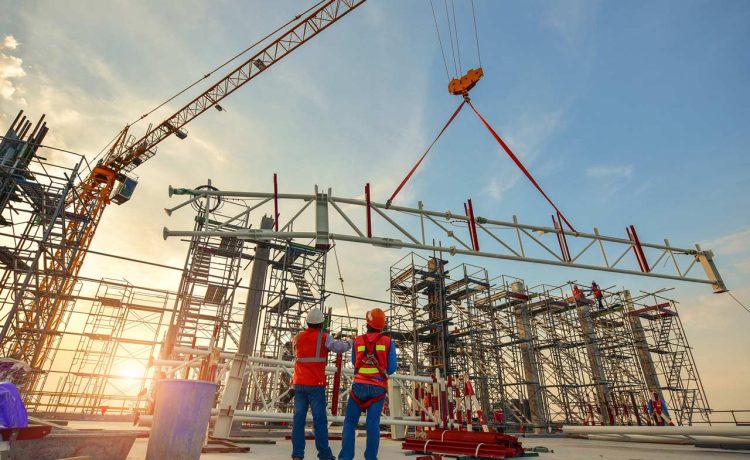
Facility Planning in Specialized Industrial Construction
Specialized industrial construction is closely tied to detailed facility planning because industrial environments must support specific operational needs from the start. Planning decisions influence how people, materials, and equipment move through a space, affecting efficiency and productivity. Unlike general construction, industrial projects are designed around processes rather than occupancy alone. This planning focused approach helps ensure that facilities function as intended once operations begin.
Operational Flow and Space Utilization
Operational flow is a central consideration in specialized industrial construction. Facilities are often organized to minimize unnecessary movement, reduce bottlenecks, and support continuous production. Space utilization plays a key role, as layouts must balance equipment placement, safety clearances, and future flexibility. Industrial construction services support these goals by translating operational requirements into functional building designs.
Custom Industrial Facilities and Functional Design
Custom industrial facilities are designed to reflect the unique requirements of each operation. From ceiling heights to floor loads, every element is considered in relation to how the facility will be used. Specialized industrial construction emphasizes functional design choices that support efficiency, reliability, and adaptability. These purpose built environments allow organizations to operate within spaces that align closely with their workflows.
Industrial Engineering and Construction Collaboration
Industrial engineering and construction work together to ensure that facility systems integrate smoothly with structural elements. Mechanical, electrical, and process systems must be coordinated with building design to avoid conflicts and inefficiencies. This collaboration helps ensure that complex industrial buildings support both operational performance and long term maintainability.
Industrial Project Management and Scheduling
Industrial project management plays a vital role in coordinating construction activities across multiple phases. Scheduling is particularly important in industrial environments where delays can impact broader operational plans. Effective project management aligns resources, timelines, and communication to support steady progress. This structured oversight helps maintain momentum throughout specialized industrial construction projects.
Material Selection and Durability Considerations
Materials used in industrial construction are often selected for durability and performance rather than appearance. Floors, walls, and structural systems must withstand heavy use, environmental exposure, and operational stress. Specialized industrial construction incorporates material choices that support longevity and reduce the need for frequent repairs, contributing to consistent facility performance over time.
Complex Industrial Buildings and System Integration
Complex industrial buildings often include a wide range of systems that must work together seamlessly. Utilities, ventilation, and process equipment require careful coordination during construction. Industrial construction services support system integration by ensuring that installation sequences and spatial requirements are addressed early in the project.
Adaptability and Future Facility Needs
Many industrial facilities are designed with future change in mind. Specialized industrial construction supports adaptability by allowing space for expansion, equipment upgrades, or process modifications. This forward looking approach helps facilities remain useful as operational demands evolve, protecting long term investments.
Specialized Industrial Construction and Operational Confidence
Well planned industrial facilities contribute to operational confidence by providing environments that support consistent performance. Specialized industrial construction aligns physical infrastructure with organizational goals, creating spaces that are dependable and efficient. This alignment reinforces the connection between thoughtful construction planning and successful industrial operations.
FAQ’s
- How is specialized industrial construction planned differently from other construction types?
Specialized industrial construction is planned around operational processes, equipment needs, and system integration rather than general occupancy or visual design. - What factors influence the layout of industrial facilities?
Facility layout is influenced by workflow efficiency, equipment placement, material movement, safety considerations, and long term operational goals. - Why is coordination important in complex industrial buildings?
Complex industrial buildings involve multiple systems working together, making coordination essential to ensure performance, safety, and reliability. - How do industrial construction services support long term operations?
They emphasize durable materials, integrated systems, and flexible design to support sustained use and future adjustments. - What role does industrial project management play during construction?
Industrial project management helps align timelines, resources, and communication to maintain consistency throughout the project lifecycle. - Why are specialized utilities important in industrial facilities?
Specialized utilities support operational demands such as power distribution, ventilation, and system performance unique to industrial environments. - How do custom industrial facilities improve efficiency?
Custom facilities are designed to match specific processes, reducing inefficiencies caused by adapting operations to generic spaces. - What makes industrial engineering and construction closely connected?
Industrial engineering defines technical requirements, while construction ensures those requirements are accurately implemented in the facility. - How do industrial facilities accommodate future growth?
Many industrial facilities are designed with flexibility for expansion, equipment changes, or evolving operational needs. - Why is experience valuable in specialized industrial construction projects?
Experience helps teams anticipate challenges, manage complexity, and maintain alignment across technical and operational requirements.