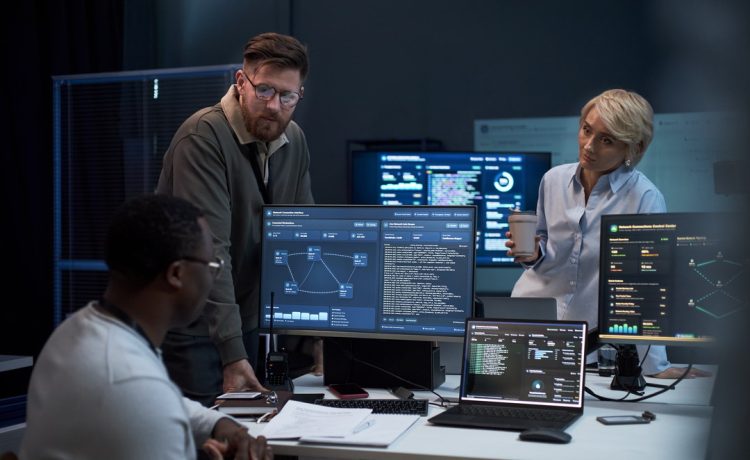
Modern security operations centers (SOCs) are facing a growing operational crisis: alert volumes keep increasing, while qualified security talent is hard to come by. The one-two cybersecurity punch means that both Tier 1 and Tier 2 analysts must spend critical hours pivoting between disparate security portals, validating alerts manually, and gathering context across multiple external platforms.
It is a friction nightmare, and it leads to analyst fatigue and delayed response times. In the worst-case scenario, an overlooked threat signal leads to a serious breach.
SOCs expect to find compromised employee credentials and internal infrastructure mentions. It is part of the game. But when such exposures occur, speed is essential. Protecting enterprise assets without burning out security teams requires a combination of automated API ingestion and dynamic risk workflows. How can this be accomplished? By streamlining incident response with automated dark web feeds.
The Hidden Costs of Manual Processes
Understanding darknet threats is a core vital for any SOC, yet asking analysts to manually hunt through underground forums and paste sites creates avoidable inefficiencies. Here are just a few:
- Operational Friction – Digging through illicit networks requires dedicated virtual environments and specialized tools. It’s a time-consuming process with multiple operational security steps.
- Inconsistent Triage – Manual investigations rely heavily on analyst experience and bias. Two analysts reviewing the same data can reach completely different conclusions. This leads to inconsistent triage.
- Alert Blindness – Sometimes darknet intelligence gets stuck in an isolated dashboard sitting outside daily workflows. The alert can be de-prioritized until after an actual intrusion takes place.
According to DarkOwl, a leader in SOAR integration and incident response, modern strategies require the ability to pivot. Security teams must be able to move away from manual searches and toward programmatic real-time threat ingestion. It is possible with the right SOAR provider and platform.
Replacing Manual Labor With API Ingestion
The place to start is streamlining security operations by treating dark web intelligence like any other structured telemetry source. Through automated API integration, raw darknet data can be converted into standardized, actionable data sets directly inside an existing SOAR environment.
Thanks to seamless SOAR integration, external threat signals are automatically fed into pre-defined incident playbooks. Workflow execution instantly replaced hours of manual triage.
Automated feeds enrich raw data with machine learning risk scores capable of evaluating severity. If an exposure score reaches a critical threshold, the playbook triggers an immediate high-priority escalation. Minor alerts are automatically logged for future review.
The best part is that an analyst doesn’t have to start his investigation from scratch. The automated playbook has already queried the threat API, retrieved historical mentions, gathered user access levels, and attached the complete context directly to the incident ticket. All the heavy lifting is essentially done.
Measurable Operational Gains Are Real
DarkOwl insists that integrating automated dark web feeds into incident response systems produces measurable operational gains. They specifically cite:
- Reduced Mean Time to Respond (MTTR)
- Better and more effective risk scoring.
- Optimized analyst output.
- Reduced manual labor requirements.
- A more consistent security posture.
Creating a more resilient security organization isn’t just about working harder. It is also about automating routine triage and data gathering. By leveraging a comprehensive SOAR platform to integrate real-time dark web feeds into daily operations, SOCs turn raw risk identifiers into rapid automated defense.
The result is a more consistent SOC capable of neutralizing threats in the earliest possible stages. Meanwhile, decision makers are better able to cope with rising alert volumes and the talent shortage. It is an ideal scenario at a time when keeping up with security threats is so critical to operational continuity.