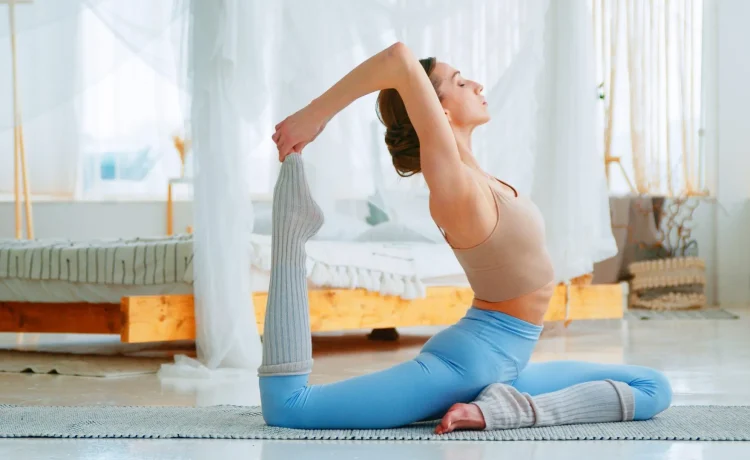
Stress does not stay in the mind. It settles into the body through tight shoulders, shallow breathing, clenched jaws, stiff backs, tense hips, and restless sleep. Many adults do not notice this until the body begins to feel constantly uncomfortable. This is why hatha yoga can be useful for people who need a steady way to release stress-related tension without pushing the body into another high-pressure activity.
Hatha yoga combines posture, breath, and awareness. It gives students enough movement to release physical tension, but enough stillness to notice what the body is holding. This makes it especially helpful for people who feel both tired and tense, a common state in modern urban life.
How Stress Becomes Physical
When the body is under stress, it prepares for action. Muscles may tighten, breathing may become shallow, and the nervous system may remain alert. This response is useful in short situations, but modern stress often lasts for days, weeks, or months.
A person may sit at a desk, answer messages, manage deadlines, commute, and handle personal responsibilities while the body quietly stays tense. Over time, this tension can become normal.
Common stress-related body patterns include raised shoulders, jaw clenching, tight chest, stiff lower back, shallow breathing, and headaches linked to tension.
Why Rest Alone May Not Be Enough
Many people try to recover from stress by lying down, watching shows, or scrolling on their phone. These activities may feel relaxing, but they do not always release physical tension. Sometimes they keep the mind stimulated.
The body may need intentional movement. Hatha yoga offers this through a slower, guided practice that encourages awareness. Students move, hold, breathe, and rest. This combination helps the body shift from tension toward release.
The practice does not require extreme effort. It asks for presence.
Breath as the Bridge Between Mind and Body
Breath is one of the clearest links between mental stress and physical tension. When the mind is anxious, the breath often becomes quick or shallow. When the breath slows, the body may begin to feel safer.
Hatha yoga uses breath throughout the practice. Students learn to breathe steadily during poses and transitions. This can help soften unnecessary tension.
A person may notice that they hold the breath during challenging poses. That same habit may happen during stressful work moments. Yoga helps bring awareness to this pattern.
Why Slower Poses Help Reveal Tension
Fast movement can distract from what the body is holding. Slower poses make tension more visible. In a hatha yoga class, students may notice that the shoulders rise during standing poses, the jaw tightens during balance work, or the lower back grips during forward folds.
This awareness is not a problem. It is useful information. Once tension is noticed, it can be softened.
The body often releases gradually. A student may not feel dramatic change in one class, but repeated practice can teach the body to relax more easily.
Stress and Posture Are Connected
Stress can affect posture. When people feel pressured, they may collapse forward, protect the chest, tighten the neck, or sit rigidly. Poor posture can then affect breathing and increase discomfort.
Hatha yoga helps restore posture awareness. It teaches students to lengthen the spine, ground the feet, relax the shoulders, and breathe more fully. These small changes can affect how the body feels throughout the day.
Good posture in this context does not mean stiffness. It means the body is supported without unnecessary strain.
The Role of Grounding
Grounding is a major part of hatha yoga. Standing poses, seated postures, and breath awareness can help students feel more connected to the body. This is useful when stress makes the mind feel scattered.
Grounding practices remind the nervous system that the body is present and supported. This can reduce the sense of being mentally pulled in many directions.
For people with busy minds, grounding movement may feel more accessible than sitting still in silence.
Releasing Tension Without Forcing Flexibility
Some people try to release stress by stretching aggressively. This can backfire. A tense body may resist force. The goal should be to invite release, not demand it.
Hatha yoga encourages controlled stretching and steady breathing. Students can stay within a manageable range and allow the body to open gradually.
This teaches patience. The body does not need to be conquered. It needs to be listened to.
Why Consistency Matters for Stress Tension
Stress-related tension builds through repeated patterns, so it must be addressed repeatedly too. One class may help, but consistent practice teaches the nervous system a new pattern.
A regular hatha yoga routine can become a signal to the body that it is time to release, breathe, and reset. Over time, students may notice tension earlier in the day and use breath or movement before it builds.
This is where yoga becomes more than a class. It becomes a self-regulation tool.
Everyday Changes From Hatha Practice
Students may begin to notice practical changes outside class. They may relax the shoulders while working. They may breathe more deeply during stressful calls. They may stretch instead of scrolling when tired. They may sleep better after evening practice.
These changes are small, but they matter. Stress management is built through small repeated choices.
Choosing the Right Class for Tension Relief
People dealing with stress-related tension should choose a class that feels steady, clear, and supportive. The teacher should allow modifications and avoid making the class feel competitive.
A practice with breath awareness, slower movement, and proper alignment may be especially useful. Students should not force deep poses when the body feels guarded.
For adults in Singapore who want to release tension through guided movement and breath, Yoga Edition can support a routine that helps the body manage stress more intelligently.
FAQs
Why do I sometimes feel emotional during or after yoga?
When the body slows down, stored stress can become more noticeable. This does not mean anything is wrong. Give yourself time after class, hydrate, and avoid rushing into stressful tasks immediately.
Can hatha yoga help with jaw tension?
It may help indirectly by improving breath awareness and reducing overall stress tension. During class, notice if you clench your jaw in effort. Softening the mouth and tongue can be a useful habit.
Should I practice hatha yoga when I am extremely stressed?
Yes, but choose a gentle class and avoid pushing hard. If your stress feels overwhelming or affects daily functioning, yoga can support you, but professional mental health support may also be important.