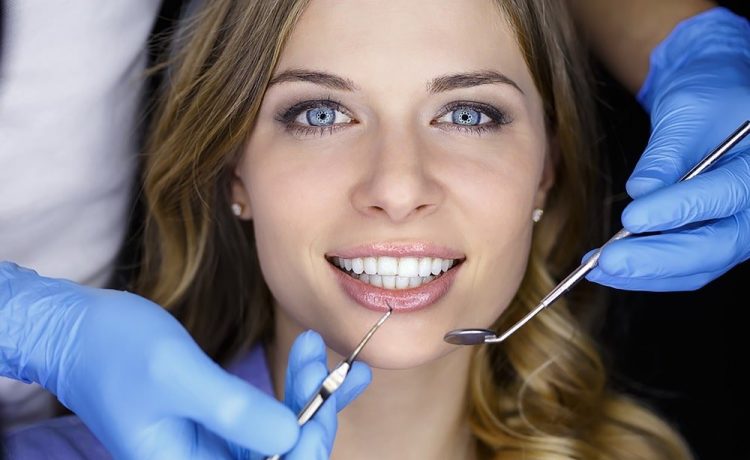
Smile harmony is not a trend-driven concept. It is a structured approach to balancing teeth, gums, lips and facial proportions so that no single feature dominates. The focus has shifted in recent years from conspicuous makeovers to natural alignment between aesthetics and health. A harmonious smile should complement speech, facial movement and age rather than compete with them.
For many patients, the first step is understanding how oral health underpins appearance. Even the most advanced cosmetic treatments cannot compensate for untreated gum disease, enamel erosion or bite instability. This is why an experienced cosmetic dentist London patients trust will often begin with a comprehensive assessment of oral health, jaw alignment and soft tissue condition before discussing aesthetic goals. Harmony depends on foundations.
The London lifestyle introduces specific challenges. High coffee consumption, red wine, smoking in social settings and stress-related grinding can all disrupt the visual balance of teeth. Over time, these factors contribute to uneven wear, discolouration and gum recession. Addressing these issues early prevents the need for more extensive procedures later.
According to top cosmetic dentist Dr. Sahil Patel of MaryleboneSmileClinic based at 66 Harley St, London W1G 7HD, 02071268526, patients should think in terms of proportion rather than perfection. He advises that before committing to treatment, individuals should ensure their dentist conducts a detailed facial analysis and discusses long-term maintenance. Prospective patients can visit this site to understand how digital planning tools simulate outcomes and help align expectations with realistic results. His guidance emphasises that smile harmony is achieved through careful planning, not impulsive cosmetic decisions.
With this foundation in mind, there are six core principles that consistently shape a balanced, confident smile.
Proportion and Tooth Dimensions
The first element of smile harmony lies in proportion. Teeth should relate logically to one another in width and length, and collectively they should complement the face. Central incisors typically dominate slightly, lateral incisors provide softness, and canines frame the smile. When one of these elements is disproportionate, harmony is disrupted.
In London practices, digital smile design has become an important diagnostic tool. High-resolution photography and 3D scans allow dentists to measure ratios precisely. Small discrepancies in length can often be corrected conservatively through enamel contouring or composite bonding. More significant imbalances may require veneers or orthodontic repositioning.
Proportion also relates to gender and age. Younger smiles tend to display slightly longer front teeth with subtle translucency at the edges. With age, wear flattens these edges and reduces brightness. Recreating a youthful look does not mean exaggerating length; it means restoring natural anatomy while respecting facial maturity.
Patients sometimes request extremely white, uniform teeth seen on social media. However, identical tooth shapes without subtle variation can look artificial. True harmony relies on micro-differences that mimic nature. Slight rotation, natural texture and gentle colour gradation add realism. An experienced clinician will preserve these details wherever possible.
Functional proportion matters as much as aesthetics. Teeth that are too long or improperly aligned can alter bite forces, leading to discomfort or fractures. Therefore, any cosmetic enhancement should be evaluated within the context of occlusion. Harmony is both visual and mechanical, and neglecting either aspect compromises long-term success.
Gum Architecture and Soft Tissue Balance
Healthy gums frame the teeth much like a well-cut frame enhances artwork. If gum levels are uneven or inflamed, even perfectly shaped teeth can appear misaligned. In London, where periodontal awareness has increased significantly, gum management is now considered central to cosmetic planning.
Gum harmony involves symmetry, contour and colour. Ideally, the gum line of the central incisors mirrors each other, with lateral incisors slightly lower and canines aligning closely with the centrals. Minor irregularities can often be corrected with laser contouring, a minimally invasive procedure that reshapes tissue for improved balance.
Equally important is gum health. Chronic inflammation caused by plaque accumulation leads to swelling and redness, which distracts from tooth aesthetics. Regular hygiene appointments and effective home care are essential. Electric toothbrushes, interdental brushes and water flossers are increasingly recommended to London patients with busy schedules.
Gum recession presents another challenge. It exposes root surfaces, creating sensitivity and uneven tooth length. In such cases, treatment may involve grafting procedures or restorative techniques to mask exposed areas. The aim is not only to improve appearance but to protect structural integrity.
Soft tissue balance extends beyond the gums to the lips. Lip position during speech and smiling determines how much tooth and gum are visible. A high lip line may reveal excessive gum tissue, sometimes referred to as a gummy smile. This can be addressed through orthodontics, minor surgical adjustments or in certain cases carefully administered muscle-relaxing injections. Achieving harmony requires evaluating how teeth and gums interact dynamically rather than in static photographs.
Alignment and Orthodontic Precision
Even subtle misalignment can disrupt smile harmony. Crowding, spacing or rotation affects light reflection and can make teeth appear darker or uneven. Orthodontic treatment is therefore one of the most transformative routes to balanced aesthetics.
Modern orthodontics in London has evolved considerably. Clear aligner systems offer discreet correction for adults who wish to avoid traditional metal braces. These systems gradually reposition teeth according to digitally mapped treatment plans. Because they are removable, they allow patients to maintain oral hygiene more effectively than fixed appliances.
Alignment is not purely cosmetic. Crooked teeth are harder to clean, increasing the risk of decay and gum disease. By straightening teeth, patients often experience improvements in both health and appearance. The result is smoother contours that reflect light evenly across the smile.
Bite correction is another critical factor. An uneven bite can cause accelerated wear on certain teeth, creating asymmetry over time. Orthodontic intervention redistributes forces more evenly, preserving enamel and maintaining proportion. This functional stability supports aesthetic longevity.
Some adults hesitate to pursue orthodontics due to concerns about treatment duration. However, minor adjustments may take less than a year. In many cases, alignment is the foundation upon which whitening or restorative work is later built. Without correcting position first, cosmetic enhancements may appear uneven or require unnecessary tooth preparation. Harmony achieved through alignment tends to be stable, predictable and health-focused.
Colour, Brightness and Natural Gradation
Tooth colour significantly influences perception. However, harmony does not equate to maximum whiteness. Instead, it involves achieving a shade that complements skin tone, eye colour and age.
Professional whitening remains one of the most requested procedures in London. When supervised by a qualified practitioner, it is both safe and effective. Custom trays or in-clinic systems lift surface and deeper stains caused by diet and lifestyle. The key is gradual lightening rather than abrupt change.
Natural teeth are not a single block of colour. They display subtle variation from the neck near the gum to the incisal edge. Restorations must replicate this gradation to avoid a flat appearance. Skilled cosmetic work blends translucency and opacity to mimic enamel characteristics.
Patients considering veneers or crowns should discuss long-term shade stability. Overly bright restorations may contrast with adjacent natural teeth as they age. A balanced approach ensures that future maintenance remains manageable. This is another reason why consultation with a cosmetic dentist London residents rely on can be valuable; nuanced shade selection requires experience and artistic judgement.
Dietary habits should also be addressed. Coffee, tea and red wine contribute to staining. While eliminating them entirely may be unrealistic, moderation and good oral hygiene reduce discolouration. Using a straw for certain drinks and rinsing with water afterwards can limit contact with enamel.
Ultimately, colour harmony respects individuality. The goal is a refreshed appearance that enhances confidence without signalling obvious intervention. Subtle brightness often proves more enduring and versatile than dramatic whitening.
Texture, Contour and Surface Detail
Texture is frequently overlooked in discussions about smile aesthetics. Yet it plays a decisive role in how light interacts with teeth. Young enamel typically displays faint ridges and natural irregularities. Over-polished surfaces, particularly on veneers, can appear artificial if these micro-details are absent.
Contouring adjustments can refine tooth edges and correct minor chips. Composite bonding allows conservative reshaping while preserving natural structure. When performed carefully, bonding blends seamlessly with existing enamel, adding volume where needed without excessive drilling.
Surface gloss must be balanced. Excessive shine may look unnatural under certain lighting, especially in professional settings common across London. Dentists often adjust the final polish to ensure restorations reflect light in a way consistent with neighbouring teeth.
Wear patterns also influence harmony. Grinding, known as bruxism, flattens edges and shortens teeth. Night guards are frequently recommended to protect enamel and maintain newly restored contours. Without addressing grinding, cosmetic improvements may deteriorate prematurely.
Facial symmetry should guide contour decisions. For instance, slightly rounding the edges of lateral incisors can soften a smile, while sharper canine tips may create a more defined appearance. These refinements require careful communication between patient and clinician. Digital previews assist in visualising outcomes before permanent changes are made.
Texture and contour adjustments are subtle interventions, yet their cumulative effect can be profound. They enhance realism and ensure that cosmetic work integrates naturally with facial expressions and speech patterns.
Maintenance, Prevention and Long-Term Stability
Smile harmony is not a one-time achievement. It demands ongoing maintenance and preventive care. London patients often balance demanding careers with social commitments, making consistency essential.
Routine dental examinations allow early detection of problems that might compromise aesthetics. Small fractures, marginal staining around restorations or minor gum inflammation can be addressed before they escalate. Hygienist visits play a central role in preserving brightness and gum symmetry.
At-home care should be tailored. Fluoride toothpaste strengthens enamel, while interdental cleaning prevents plaque accumulation between teeth. Patients who have undergone orthodontic or cosmetic treatment may require specific tools or techniques. Compliance directly affects longevity.
Lifestyle adjustments contribute significantly. Reducing smoking, moderating staining beverages and managing stress-related grinding protect both natural teeth and restorations. For those who grind, custom night guards prevent surface wear and preserve contour.
Importantly, aesthetic goals may evolve over time. Ageing changes facial volume and lip support, subtly altering smile dynamics. Periodic reassessment ensures that previous treatments continue to align with overall appearance. In some cases, minor refinements maintain harmony without extensive intervention.
Financial planning is also relevant. Cosmetic procedures represent an investment, and protecting that investment through preventive care is practical. Transparent discussions about maintenance costs foster realistic expectations.
Smile harmony ultimately reflects balance between science and artistry, health and aesthetics. By focusing on proportion, gum architecture, alignment, colour, texture and long-term care, patients can achieve results that feel authentic and sustainable. In a city as dynamic as London, a harmonious smile remains one of the most consistent markers of confidence and wellbeing.