

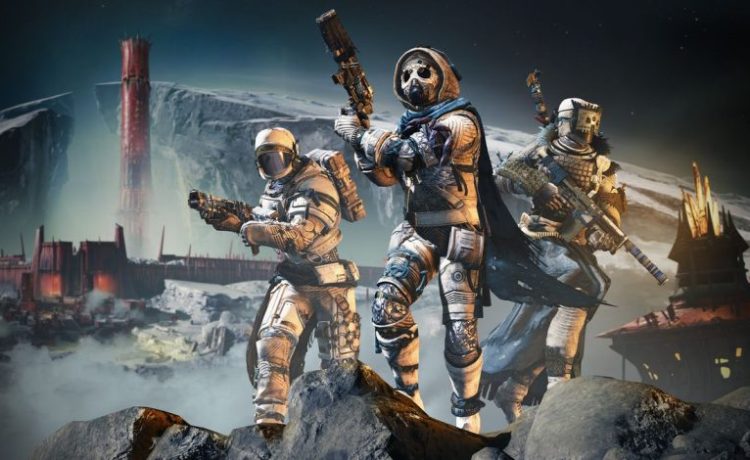
The popularity of action games has grown across the globe. As matches become more advanced and tactical, winning online battles now depends on more than just sharp reflexes.
To effectively lead the lobby, gamers must understand their purpose, work together and adapt quickly to new in-game situations. This becomes especially important in multiplayer formats.
Why Role Distribution Impacts Every Match in Online Action Games?
Tactical multiplayer games often follow a fixed structure, as each character is assigned a defined role. For instance, a tank is expected to absorb damage, a healer focuses on recovery, and attackers deal pressure to the opposition. These roles make strategy easier to coordinate. Yet, problems begin when a team lacks one of these parts.
Players are then forced to select roles they may not enjoy. A weak performance from one specialised role can quickly affect everyone else. That is why rigid team setups can sometimes hold back the overall experience. The entire match starts to depend on whether each player sticks to their task. This creates unnecessary tension and puts pressure on individuals to perform perfectly at all times.
Multiplayer Games and Real-Time Communication
In most multiplayer games, success is determined by the degree to which players can communicate with each other under pressure. Matches are fast-moving, and players must communicate about movement, positioning and danger without hesitation. Teams that communicate clearly often hold their ground for a longer time and react more quickly to changing situations.
Some games now introduce characters with common capabilities. These characters give the players the opportunity to contribute in more than one way, rather than having to follow one specific role.
When one player is struggling, others can come forward and stabilise the team. This way, there is less reliance on a single person, and matches remain competitive. Even where roles are retained, players who know how to help outside of their role build stronger and more resilient teams.
Tactical Gameplay Builds Strategy and Trust
Many players feel that games reward speed (more than anything else). However, tactical multiplayer action game formats counter this belief. They require planning, awareness and the capacity to respond when situations change unexpectedly. Each round requires players to consider priorities and make decisions that impact the entire team. Timing and judgement are often as important as skill.
Over the years, players develop patterns of cooperation. They start to understand when to take action and when to be supportive of others. They learn about the way responsibilities are interrelated and why each role is important.
This understanding helps to build confidence within the team. When gamers have complete confidence in each other, coordination comes naturally. Matches no longer feel chaotic and start become organised. Teams that develop this trust are more consistent and stable in their performance.
Final Words
As players become more experienced, they begin to focus less on individual wins and more on collective success. In many Multiplayer games, early progress depends on adhering to the assigned roles. The overall growth depends on recognising when those roles have to evolve. Strategy becomes more layered, and each decision has a greater impact.
Skilled players begin to notice how their actions affect the group, not just their own outcomes. That awareness influences long-term skill and characterises meaningful progress in tactical gameplay.

