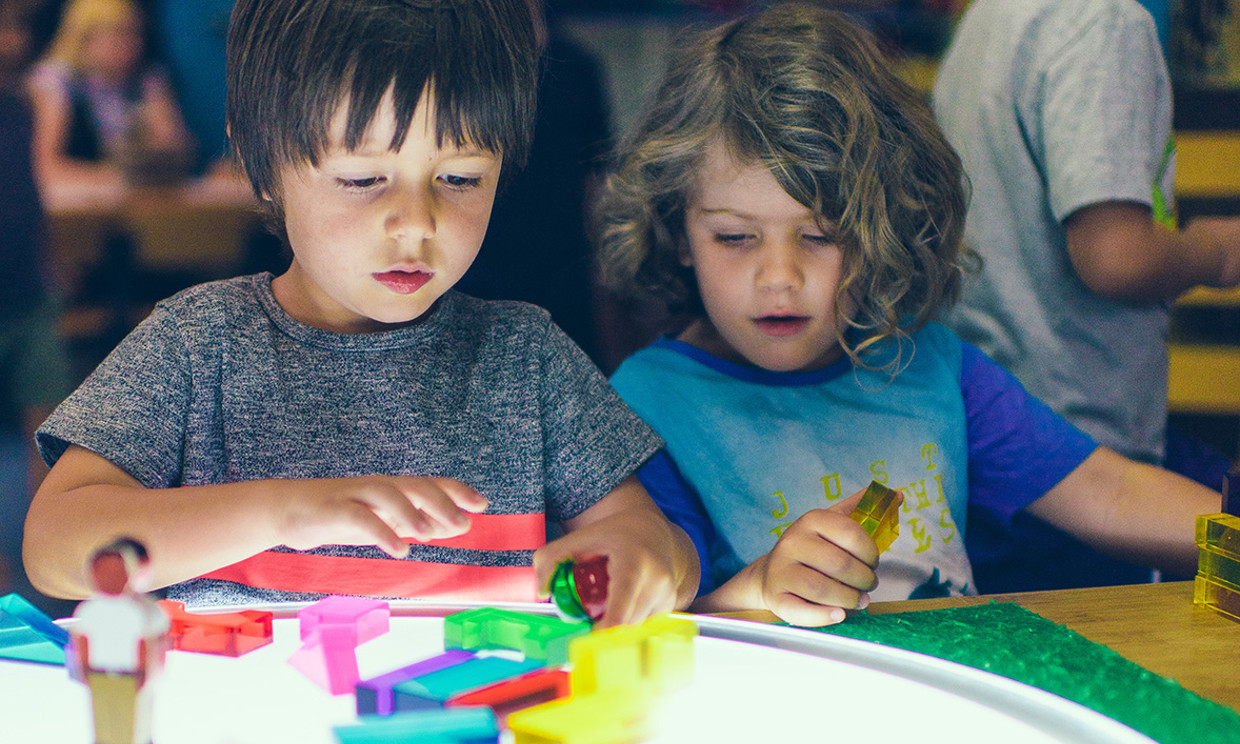
Toddlers are natural explorers, constantly using their senses to understand the world around them. Sensory play—activities that stimulate the senses of touch, smell, taste, sight, and hearing—plays a vital role in early development. Through seemingly simple activities like squishing playdough, pouring water, or listening to music, children develop critical skills that support cognitive, physical, and emotional growth.
This article explores the importance of sensory play, its developmental benefits, and how caregivers and educators can integrate it into daily routines.
What is Sensory Play?
Sensory play involves any activity that engages a child’s senses. While all play includes some sensory experiences, sensory play is intentionally designed to enhance a child’s ability to process and respond to sensory input.
These activities might include:
- Playing with textured materials like sand, rice, or fabric
- Listening to different types of music or sounds
- Exploring scents with herbs, spices, or flowers
- Water or ice play
- Using taste-safe materials like edible finger paints
By engaging multiple senses, toddlers build connections in the brain that support language development, motor skills, and problem-solving abilities.
Developmental Benefits of Sensory Play
Sensory experiences are essential in the early years, as they provide the building blocks for many aspects of learning and behavior.
- Cognitive Development
Sensory play supports early thinking skills by helping toddlers categorize, compare, and predict outcomes. Activities such as sorting colored beads or matching sounds help children begin to understand cause and effect and basic scientific principles.
- Language Development
When toddlers engage in sensory play, they are more likely to use descriptive language. Talking about textures, colors, and actions—“squishy,” “cold,” “slippery”—helps build vocabulary and comprehension.
- Fine and Gross Motor Skills
Manipulating materials like playdough or pouring from one container to another strengthens hand muscles and improves coordination. These foundational skills support writing and self-care tasks later in childhood.
- Emotional Regulation
Sensory play can be soothing and help toddlers manage emotions. For example, repetitive actions like scooping sand or squeezing stress balls may reduce anxiety and increase focus.
- Social Interaction
Group sensory activities encourage toddlers to cooperate, take turns, and observe each other’s actions. These shared experiences promote empathy and communication.
Creating a Sensory-Friendly Environment
Designing spaces that support sensory play doesn’t require expensive materials. Everyday household items and simple tools can create rich learning experiences.
Indoor Ideas:
- Homemade sensory bins with rice, pasta, or beans
- Water play using cups and containers
- Music and movement with simple instruments or recorded sounds
Outdoor Ideas:
- Mud kitchens or garden exploration
- Natural materials like leaves, stones, and bark
- Sand and water tables
Caregivers should always supervise sensory play and adapt activities for safety, especially for toddlers who may still explore by mouthing objects.
Sensory Play and Individual Needs
Not all children respond the same way to sensory input. Some may seek intense sensory experiences, while others may be more sensitive. Observing a child’s reactions helps caregivers choose appropriate materials and adjust intensity.
Encouraging Sensory Play at Home and in Classrooms
Parents and educators can integrate sensory activities into daily routines without adding complexity. Ideas include:
- Letting toddlers help with cooking tasks like mixing batter or kneading dough
- Bath time games with bubbles and floating toys
- Exploring textures during art with finger paint or clay
Even brief sensory experiences woven into the day can provide meaningful developmental boosts.
Sensory play is far more than a fun pastime—it is a vital part of how toddlers learn about themselves and their surroundings. By offering varied sensory experiences, adults support cognitive growth, language development, and emotional well-being. Whether at home or in structured infant/toddler programs, sensory play remains one of the most effective tools for nurturing young minds. Organizations such as the Montgomery Child Care Association continue to highlight its role in fostering healthy, responsive early learning environments.