Travel has a way of reshaping how we see the world, and few destinations do this as dramatically as Iceland. From roaring waterfalls and volcanic plains to quiet fishing villages and glowing northern skies, this Nordic island offers experiences that feel almost otherworldly. Whether you’re seeking adventure, solitude, or cultural discovery, Iceland delivers in ways that linger long after the journey ends.
Why Iceland Captivates Travelers
Iceland stands apart because of its raw, untamed beauty. Nature is not just a backdrop here; it is the main character. The country sits on the boundary of two tectonic plates, creating a landscape shaped by volcanoes, glaciers, geysers, and lava fields.
Travelers are drawn to Iceland for several reasons:
-
Diverse natural scenery packed into a relatively small area
-
Clean air and water, among the purest in the world
-
A strong sense of safety and sustainability
-
A culture that blends modern life with ancient traditions
The Best Time to Visit Iceland
Choosing when to travel depends largely on what you want to experience.
Summer (June to August)
-
Long daylight hours with the famous midnight sun
-
Ideal for road trips and hiking
-
Easier access to remote areas
Winter (November to March)
-
Prime season for Northern Lights sightings
-
Snow-covered landscapes and ice caves
-
Fewer tourists and a quieter atmosphere
Shoulder seasons in spring and autumn offer a balance of fewer crowds and milder weather, though conditions can change quickly.
Must-See Natural Wonders
Iceland’s natural attractions are both iconic and deeply immersive.
Waterfalls and Glaciers
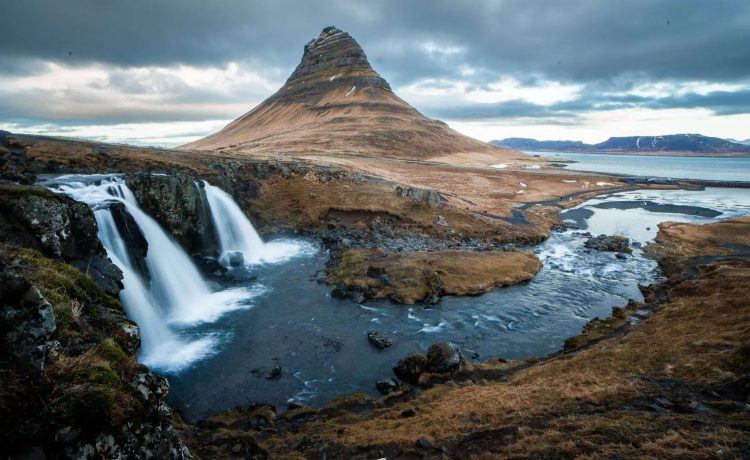
Waterfalls seem to appear around every corner, each with its own character. Massive glaciers, meanwhile, dominate the highlands and coastlines, reminding visitors of nature’s scale and power.
Volcanoes and Geothermal Areas
Active and dormant volcanoes shape much of the land. Geothermal zones bubble and steam, filling the air with the scent of sulfur and showcasing the earth’s energy just beneath the surface.
Black Sand Beaches
Unlike typical tropical shores, Iceland’s beaches are dramatic and moody, framed by basalt columns, crashing waves, and dark volcanic sand.
Exploring Iceland by Road
One of the most rewarding ways to see Iceland is by driving the Ring Road, which circles the entire island. This route connects many of the country’s highlights and allows travelers to set their own pace.
Benefits of a road trip include:
-
Flexibility to stop at lesser-known locations
-
Easy access to both popular and remote sights
-
A deeper connection with the changing landscapes
Even short drives can reveal stunning views, making every journey part of the adventure.
Icelandic Culture and Local Life
Beyond its landscapes, Iceland has a rich cultural identity. Storytelling traditions rooted in ancient sagas remain influential, and music, art, and design thrive in both urban and rural settings.
Food culture reflects the environment, focusing on fresh seafood, lamb, and dairy products. While traditional dishes can be adventurous, modern Icelandic cuisine offers creative, globally inspired options as well.
Practical Travel Tips
Planning ahead can make a significant difference when traveling in Iceland.
-
Pack layers to handle sudden weather changes
-
Rent a vehicle suitable for the season and terrain
-
Respect nature by staying on marked paths
-
Book accommodations early during peak months
Understanding local customs and environmental guidelines helps preserve Iceland’s fragile ecosystems for future travelers.
Final Thoughts
Traveling to Iceland is not just about ticking destinations off a list. It’s about slowing down, embracing unpredictability, and witnessing a landscape that feels alive. For those willing to explore beyond the familiar, Iceland offers moments of awe, reflection, and genuine connection with nature.
Frequently Asked Questions (FAQ)
1. Is Iceland an expensive country to travel to?
Yes, Iceland can be costly, but careful planning, self-driving, and local grocery shopping can help manage expenses.
2. Do I need a visa to visit Iceland?
Visa requirements depend on your nationality. Many travelers can enter Iceland visa-free for short stays.
3. Is Iceland suitable for solo travelers?
Absolutely. Iceland is considered one of the safest countries in the world, making it ideal for solo travel.
4. Can I see the Northern Lights without a guided tour?
Yes, they can be seen independently, but guided tours increase your chances by tracking weather and solar activity.
5. How difficult is driving in Iceland?
Driving is straightforward in summer, but winter conditions require caution and experience with snow and ice.
6. What language is spoken in Iceland?
Icelandic is the official language, but English is widely spoken, especially in tourist areas.
7. How long should I plan for an Iceland trip?
A minimum of 7–10 days is recommended to explore key highlights without rushing.